
The register says you own it. But where is it?
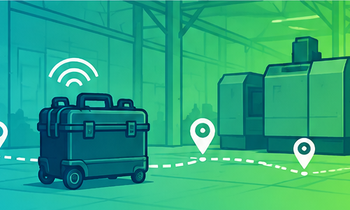
Expensive tools, testing equipment and specialist handling assets often move between workshops, stores and operational areas. A spreadsheet can list ownership, serial numbers and purchase values. It cannot confirm that someone remembered to record the latest movement.
The business cost of poor visibility
Teams waste time searching for equipment, projects pause while critical tools are located, and duplicate purchases can follow. In multi-site businesses, a missing transfer record may trigger calls across several departments before anyone identifies where the item was last seen.
How RFID improves equipment accountability
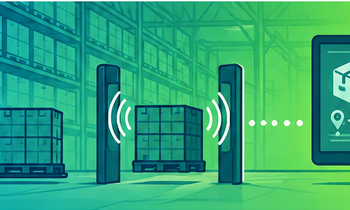
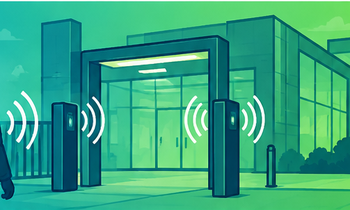
RFID asset tracking uses tagged equipment and suitable readers to create identification records. A reader at a workshop exit or engineering-store doorway can detect a tagged asset as it passes. Active RFID tags may support longer-range hands-free workflows where the selected equipment is appropriate.
Build a meaningful movement history
A useful record might show that a calibration device left stores at 09:30 and passed a test-area entrance at 09:45. Those events can provide the last identified location and time, even when a manual sign-out process was missed. This does not mean the equipment can be pinpointed anywhere outside monitored areas.
Where JOANUS can help
JOANUS can support identification of tagged equipment at configured reader points. That can reduce manual logging and help teams investigate unexpected movements of tools, reusable units and high-value equipment. The operational result depends on reader placement, tags, integration and agreed exception rules.
Start with your most disruptive losses
Select equipment that is valuable, frequently moved or time-critical, and identify where it should be detected. Measure average search time, frequency of missing-item incidents and the value of avoided disruption during a pilot. Expand only when the results justify it.
Classify equipment by business impact
The most valuable assets to track are not always the most expensive. A calibration device might cost less than an industrial machine but still cause major delays if it cannot be found before a scheduled test. Consider replacement lead time, frequency of movement, operational criticality, shared use and the cost of downtime. Group assets into priority levels and start with those whose location uncertainty causes measurable disruption. This makes it easier to justify an investment in RFID asset tracking and avoids spending the same amount of effort on items with very different business value.
Create a trustworthy starting inventory
Automated detection cannot fix incorrect ownership information by itself. Before deploying tags, verify asset identities, serial numbers, departments, existing locations and the names of people responsible for each equipment category. Establish a consistent process for issuing tags and updating records when equipment is repaired, transferred or retired. If one identifier is accidentally assigned to two assets, movement data can become misleading. A brief inventory clean-up may feel less exciting than installing readers, but it is often the difference between an operational tool people trust and another database that staff avoid using.
Use checkpoint evidence with appropriate precision
An RFID reader at the engineering store can show that tagged equipment was identified there at a particular time. A second reader at a production-zone doorway can add another event. Together those records may substantially narrow the search area. They do not, however, guarantee the asset's current position if it has since moved outside instrumented coverage. Dashboards and staff training should make that distinction visible by labelling last detected location and time. Overstating location precision can damage trust in the system, particularly when urgent maintenance work depends on the answer.
Design a process for overdue and unusual movements
Movement history becomes useful when the team agrees what deserves attention. A critical tool that has not returned from a maintenance area by the end of a shift may trigger a reminder, while an asset identified at an unusual exit may merit a check. These rules should reflect how people actually work, including approved loans and overnight tasks. The person receiving an alert needs authority to investigate and a clear way to close it. Otherwise, notifications accumulate without improving equipment availability. Start with a small number of high-value exceptions and refine them as the organisation learns.
Assess return on investment and scaling
Compare baseline search time, delays, replacement spending and emergency rentals with results from a defined pilot. Include the costs of active RFID tags where appropriate, compatible readers, installation, system integration and ongoing support. Measure the accuracy and completeness of recorded movements rather than treating every detection as proof of successful tracking. Organisations with several sites should first establish common naming and handover rules before combining their data. The goal is an asset management process that supports faster decisions and better accountability—not simply a larger volume of electronic records.
For example, an engineering team could start with a small fleet of shared calibration instruments and record how often each item is unavailable when requested. The pilot can compare searches, unnecessary purchases, and the time required to investigate movements at equipped doorways. These measures create a practical basis for deciding whether wider tracking would justify its cost.
Frequently asked questions
Is RFID equipment tracking the same as GPS?
No. In this use case, RFID records identification when a tagged asset passes an equipped reader or detection zone.
Which assets should we tag first?
Prioritise equipment that is expensive, frequently transferred or responsible for costly delays when unavailable.
Can active RFID tags work on metal tools?
Suitability depends on the tag and installation. Metal can affect RF performance and needs testing.
What happens if an item never passes a reader?
The system cannot create a new checkpoint identification event; manual procedures or additional coverage may be needed.
Explore the solution
Find out how JOANUS could support your requirements. Speak to Identec about suitable tags, detection points and integration options. Visit https://www.identec.com/products/joanus/ or email info@identec.com.
Posted: Monday, 23rd November 2026